Ages 6–12 · Multi-Discipline
Eagle DS Kids Combat is a structured programme for six to twelve year olds, built on the same standard that runs through every arm of Eagle DS — physical development, mental development and identity work, running together, at the same time, on the same child. No babysitting. No participation-trophy version of training. Every child who walks in is expected to progress, and every child who stays does.
Talent was never the requirement. Effort, attitude and accountability are the only entry criteria that have ever mattered — at six or at sixteen.
Two Children. One Standard.
The Talented One
Capable, quick to pick things up, and carefully managed by every adult around them. Good at whatever they turn their hand to, and never yet asked to actually work for it. They have not been in a room where effort — not natural ability — decides the outcome.
The Drifting One
On a screen more than anywhere else, and struggling to focus on anything that asks something of them. Not a discipline problem. A structure problem — nothing in their week currently demands their full attention, and they've never had the chance to find out what they're capable of.
How Kids Combat Runs
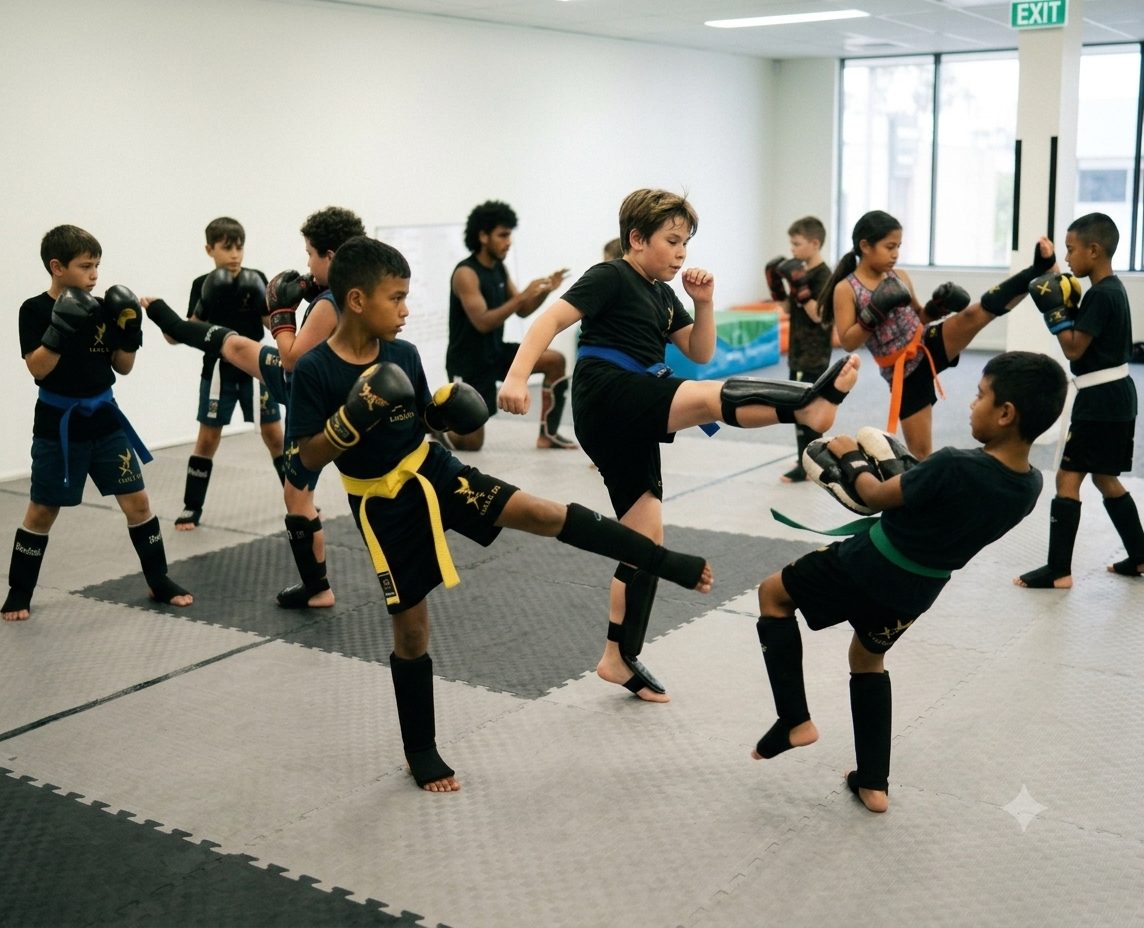
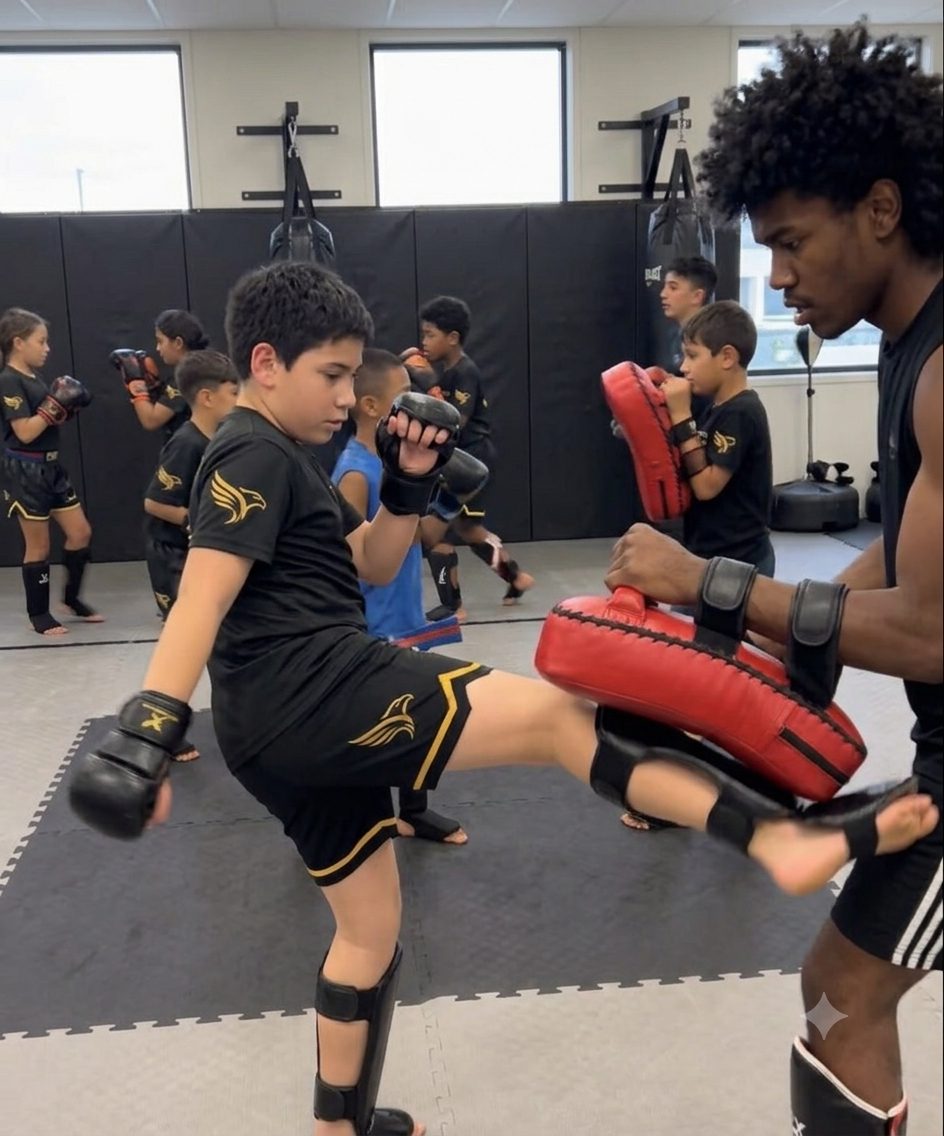
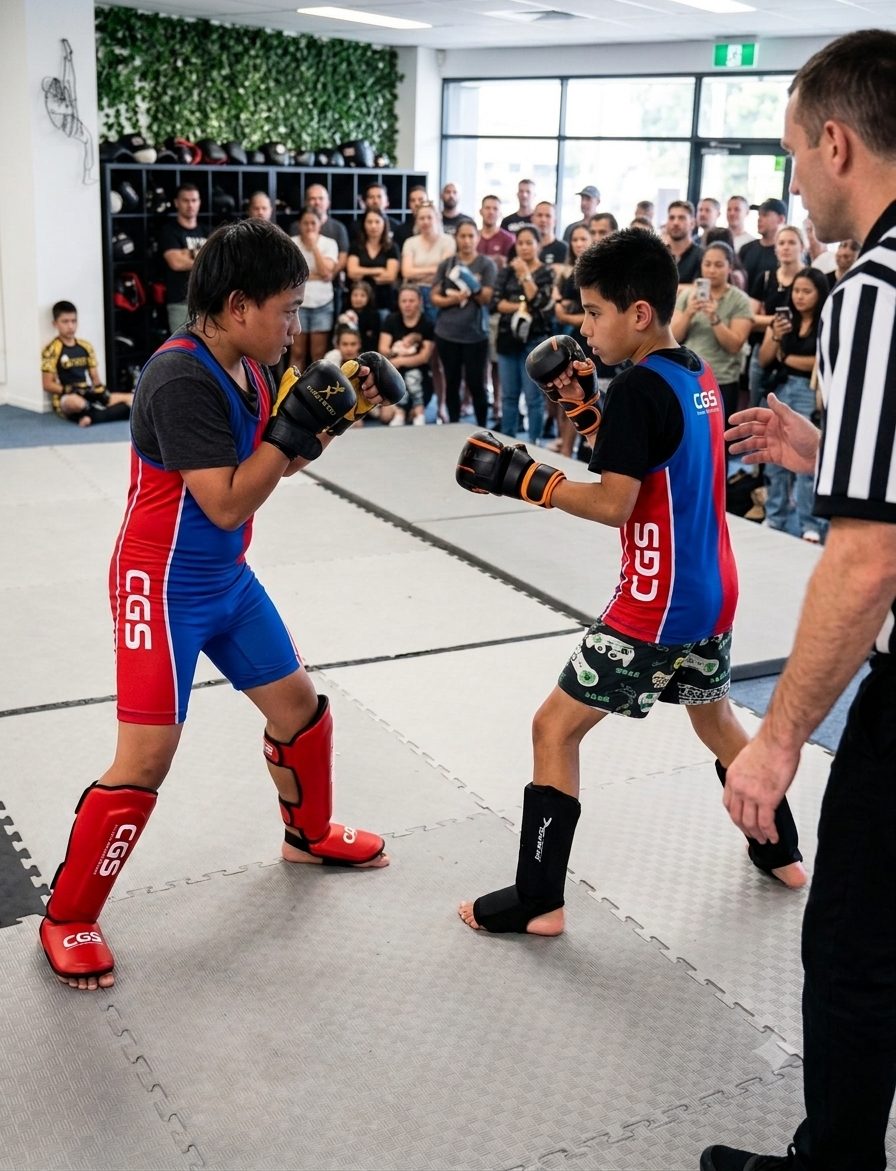
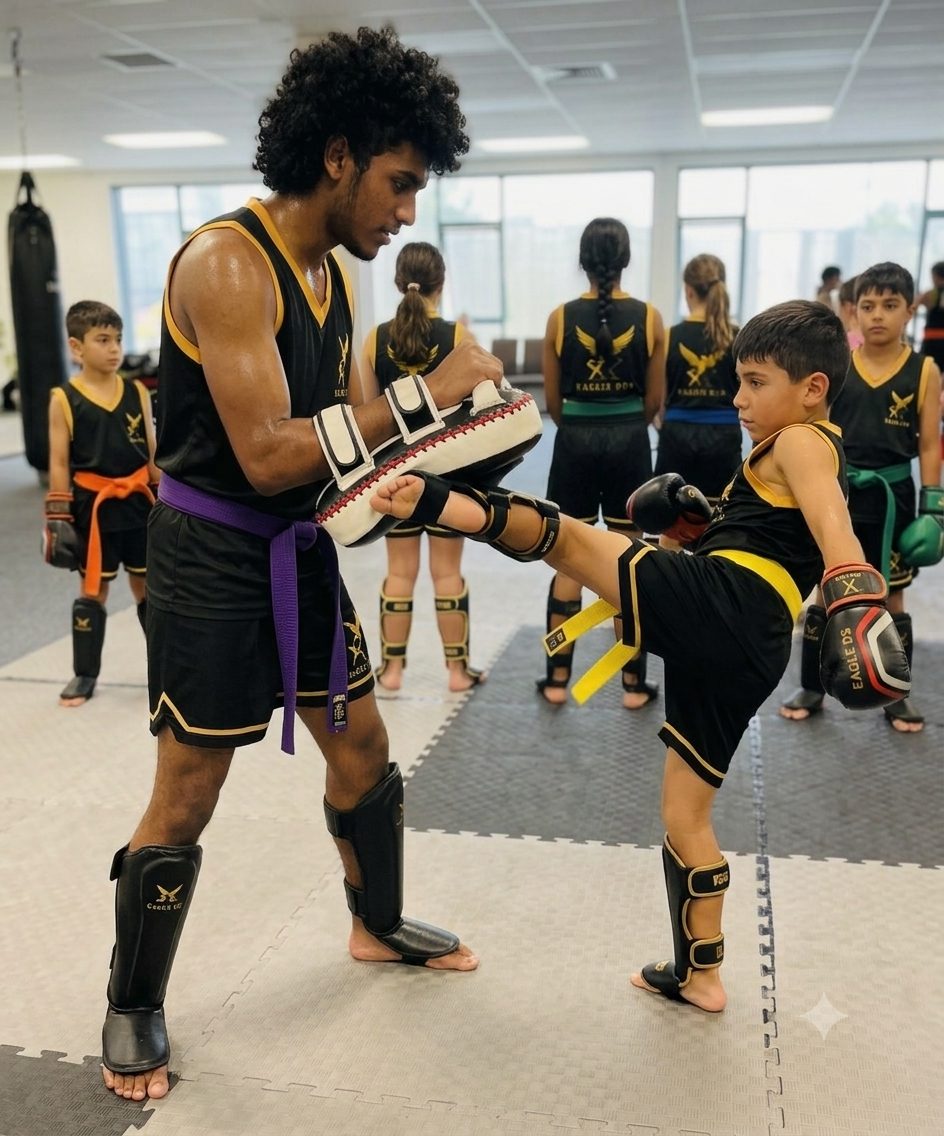
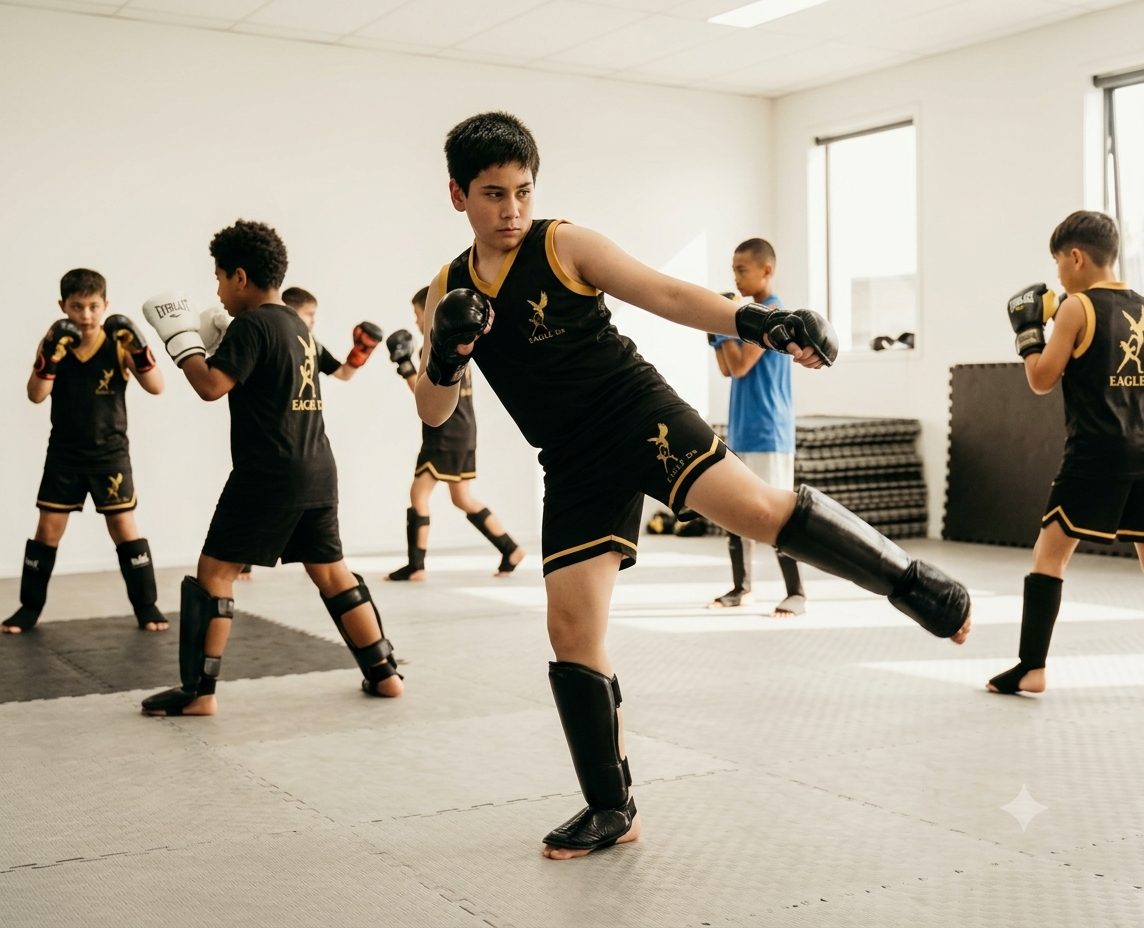
Technique is taught to a standard, at a pace matched to a developing body — coordination, balance and control first. Contact, when it's introduced, is light, closely supervised, and only once a child has shown the control required. Never rushed to fit an age.
This isn't a place to run energy off. It's a place a child learns to listen, follow an instruction all the way through, and sit with something difficult instead of giving up on it — often for the first time.
The technique is the vehicle. What a child walks out with — how they carry themselves, what they now expect of themselves — is the actual outcome we're building toward.
Nothing Is Given Away
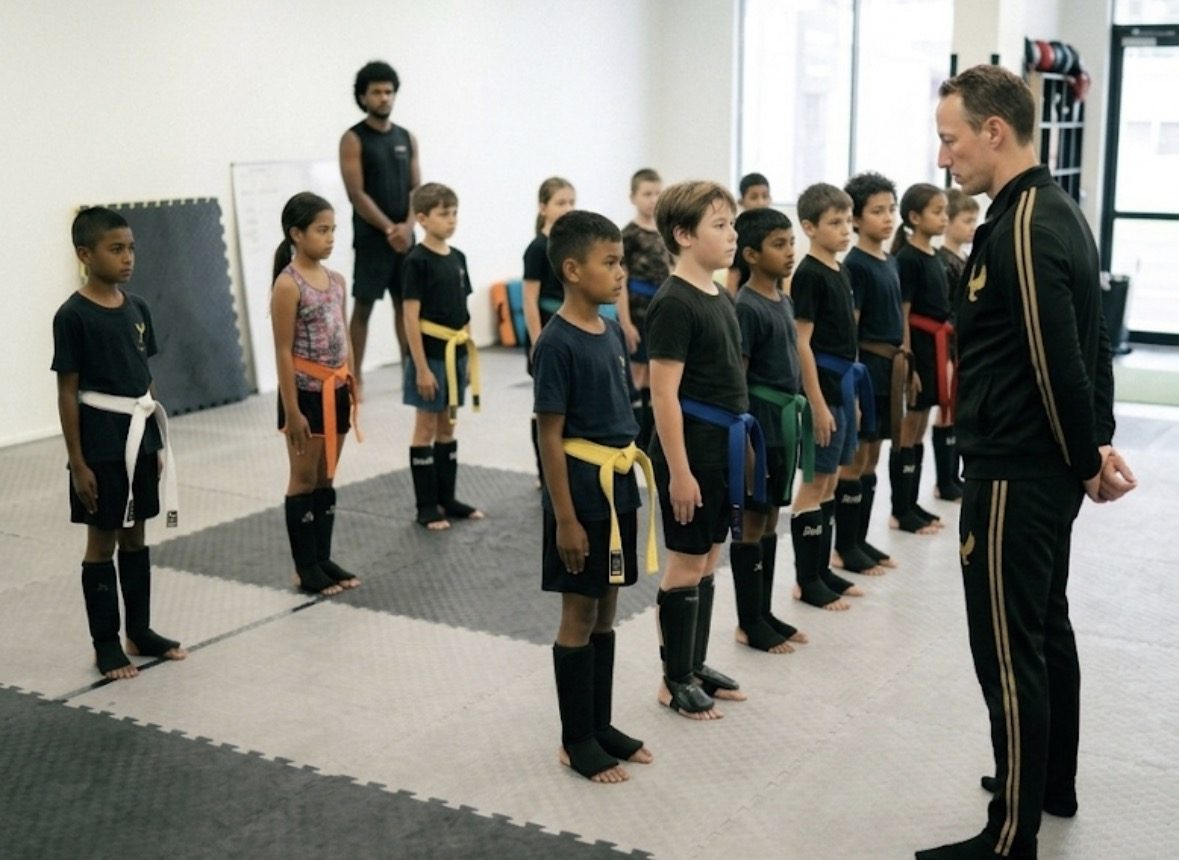
Every child who trains at Eagle DS moves through a structured grading syllabus — belt by belt, skill by skill. Nothing is handed out for showing up, and nothing is handed out for turning seven. A grade means a child has actually demonstrated the technique, under the standard, in front of a coach who checked.
That's the whole point of running it this way. A trophy that wasn't earned tells a child nothing true about themselves. A belt they had to genuinely work for does — and kids know the difference, even at six, even if no one explains it to them.
The syllabus is progressive and cumulative: what's learned at white belt still has to hold up at blue, and at green. The standard doesn't get easier to justify — it gets harder to meet, on purpose.
Two Paths Through Eagle DS
The Everyday Path
One child came in unable to sit still through an instruction, let alone follow it. Progress was slow at first — it always is with a young child — but the standard didn't move for them, and neither did the expectation that they keep showing up. What changed wasn't just their technique. It was how they behaved at home and at school — the ability to focus, to follow through, to be told something once. That's the outcome the Academy is actually built to produce.
The Combat Games Series Path
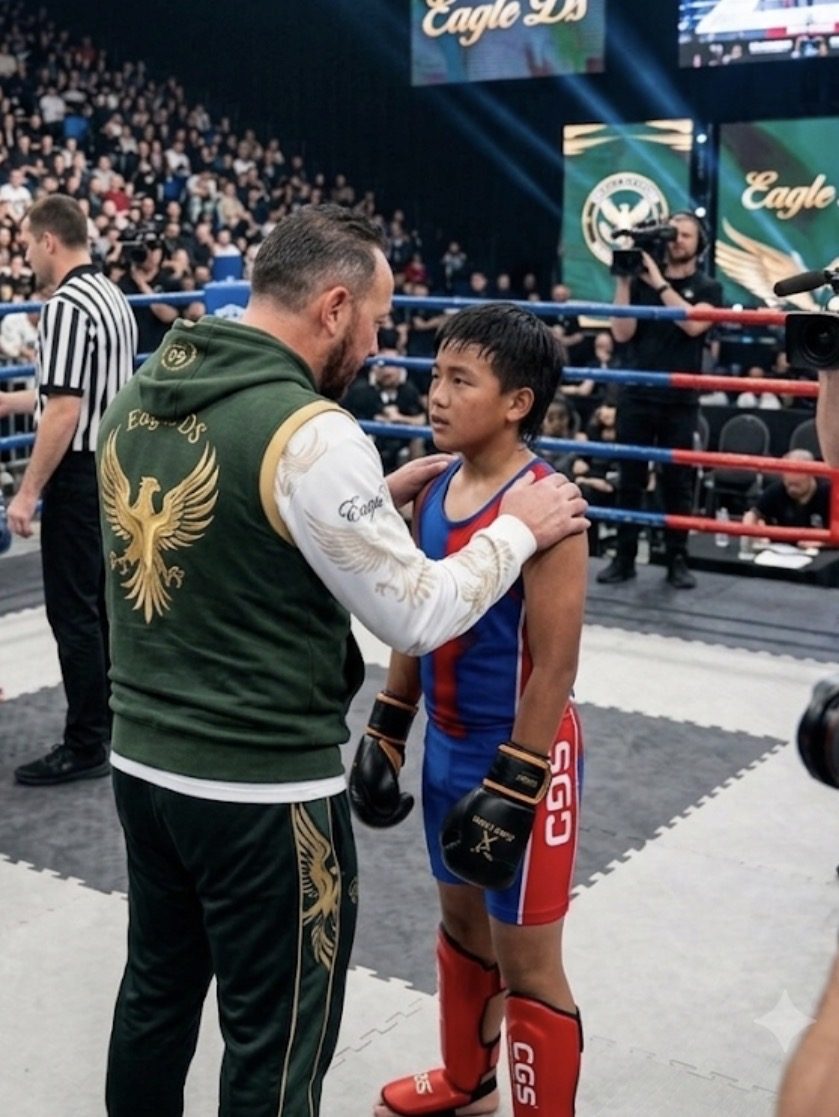
Another child, still under twelve, stepped onto the mat at a Combat Games Series event — a real bout, under a real standard, against a real opponent their own age and grade. They went in nervous and came out having done it anyway. The result wasn't the point. What it proved was already true before the first round: they'd been tested honestly, in a safe environment, and they'd met it.
Training Paths
Exact pricing and session frequency for each path are confirmed when you book a trial — every child starts with an assessment, not a sales conversation.
Where the Competing Path Leads
Competing through the Combat Games Series isn't a single track toward one outcome. It's an on-ramp — and where it leads depends on the discipline a child commits to over time.
Dafydd Sanders built this pathway from having walked it himself — across more than one discipline, at representative level, not just one. World #10 in taekwondo through multiple Olympic campaigns. WAKO Worlds in kickboxing. WAKO Worlds K1 full contact. IMMAF Worlds in MMA. Karate All Japan Champion against an international field.
That range is the model. A child training at Eagle DS isn't funnelled toward a single sport because it's the only one on offer — the pathway is built to open, over years, toward New Zealand representative selection across whichever discipline they eventually commit to.
Before You Book
No. Most children start with none. The syllabus is structured so a complete beginner and a child who's trained before are both working at the right level for them from day one.
Technique comes before contact, every time. Sparring is introduced only progressively, only once a child has shown the control and technical ability required, and it's closely supervised throughout. Eagle DS holds a zero-concussion record across 900+ matches. The goal is skill development, not hurting a training partner.
This is exactly who the programme is built for. A lot of children arrive shy, unsure of themselves, or unable to sit still through an instruction. The standard stays the same for everyone — that consistency is what builds the confidence, not a softer version of the training.
No. Competing through the Combat Games Series is one path, not a requirement. Plenty of children train for fitness, focus and skill and never step into a competitive bout — both paths are treated with the same seriousness.
Not perfection. What's expected every session:
Comfortable sports clothing and a drink bottle. Equipment for the first session is provided — if they continue, you'll be advised exactly what's needed as they progress.
It almost always helps. Coordination, balance, focus and resilience built here transfer directly into whatever else they play.
They move naturally into Teen Combat — same coaches, same standard, same trunk. Nothing resets. It's a step up in demand, not a change of programme.
Ready When They Are